
Why Mobile-Friendly Websites Matter for Clinics
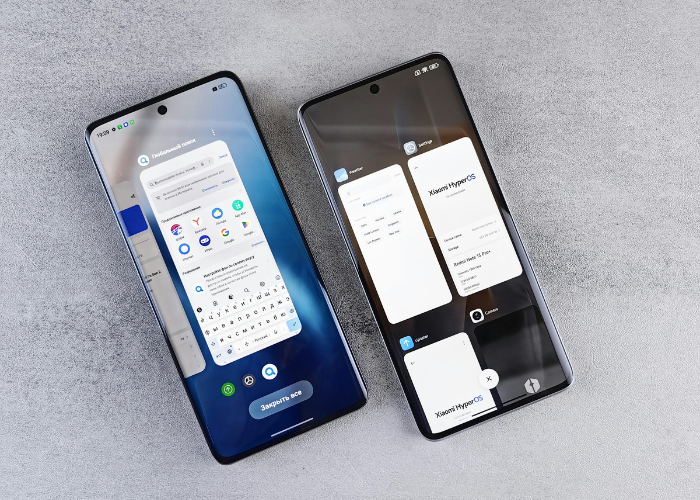
Today, most patients search for clinics, healthcare services, and appointment information directly from their phones. Before contacting a clinic, people usually visit the website to check services, reviews, location, and availability. If the website feels difficult to use on mobile devices, many users leave within seconds.
This is why mobile-friendly design has become one of the most important parts of a modern healthcare website.
A responsive website helps clinics create a smoother patient experience while improving trust and accessibility.
Patients Expect a Smooth Mobile Experience
Most users no longer browse healthcare websites from desktop computers. Smartphones have become the primary device for online searches, especially for local healthcare services.
When patients open a clinic website, they expect everything to work properly on their screens. Text should be readable, buttons should be easy to tap, and pages should load without delays.
If users need to zoom in, struggle to navigate menus, or wait too long for pages to load, they often leave and visit another clinic website instead.
A clean mobile experience immediately creates a more professional impression.
Mobile-Friendly Design Improves Trust
In healthcare, first impressions matter. Patients often judge a clinic’s professionalism based on its online presence.
An outdated or broken mobile layout can make even a good clinic appear less trustworthy. On the other hand, a responsive and modern website gives patients confidence before they even contact the clinic.
Clean spacing, organized sections, and easy navigation all contribute to a better user experience and stronger patient trust.
Better Mobile Design Can Increase Appointments
Many patients visit clinic websites specifically to book appointments or make inquiries.
If the booking process feels confusing on mobile devices, users may abandon the process completely. Mobile-friendly websites simplify this experience by making contact forms, booking buttons, and WhatsApp integrations easier to use.
Simple improvements in mobile usability can lead to more inquiries and better conversion rates for clinics.
Google Prefers Mobile-Friendly Websites
Mobile responsiveness is also important for SEO.
Google prioritizes websites that perform well on mobile devices. Clinics with responsive websites are more likely to rank better in search results, especially for local searches related to healthcare services.
A mobile-optimized website can help clinics attract more organic traffic and improve online visibility over time.
Final Thoughts
A mobile-friendly website is no longer optional for healthcare clinics. Modern patients expect fast, responsive, and easy-to-use digital experiences on their phones.
Clinics that invest in mobile optimization create stronger first impressions, improve patient engagement, and make appointment booking easier for users.
In today’s healthcare industry, a smooth mobile experience is an important part of building trust and growing a professional online presence.